All Phase Concrete: Specialty Finishes Available in Tampa FL
Concrete is rarely a neutral choice. It frames first impressions, governs long-term maintenance budgets, and sets the tone for how people use a space. In Tampa, where sun, salt air, and heavy seasonal rain test materials every year, the finish you choose matters as much as the mix design or reinforcement. All Phase Concrete has built a reputation here by treating finishes as both craft and performance specification, not an afterthought. This article explains the specialty finishes they offer in Tampa FL, why each one matters, and how to decide which finish suits a particular project.
Why finishes matter in Tampa
Tampa's climate is hot, humid, and salty. Concrete exposed outside will expand, contract, and sometimes stain from metal fixtures or iron deposits in soil. Indoors, clients demand looks that match high-end tile, wood, or stone. A finish controls slip resistance, wearability, ease of cleaning, and aesthetics. Select the wrong finish and you get premature spalling, a high-maintenance surface, or a look that ages badly.
All Phase Concrete approaches this with practical trade-offs. For a pool deck they might favor a broomed or textured finish for traction, combined with a penetrating sealer to reduce water ingress. For a downtown storefront they will lean toward polished or decorative overlays to give a showroom-ready look that withstands foot traffic. The decision blends intended use, budget, and long-term maintenance.
Common specialty finishes and where they fit
Polished concrete. Polished concrete is not simply a shiny slab. It is a mechanical process of progressively grinding the surface with diamond tooling to reveal aggregate and create a dense, hard surface. In Tampa retail spaces and modern offices polished floors reduce maintenance because they do not require waxes, and they resist stains when densified properly. Expect a range of gloss levels, from a soft sheen for hospitality settings to a mirror-like finish for auto showrooms. Be mindful: polished concrete performs best on properly designed slabs with minimal random cracking. If the slab is old and cracked, a substrate repair or overlay may be necessary.
Decorative overlays and microtoppings. For clients who want stone or tile looks without the cost or labor of setting natural materials, cementitious overlays provide a flexible solution. Overlays can be colored, stamped, or textured to mimic slate, travertine, or even planked wood. These systems are usually thin 1/8 to 1/2 inch toppings applied over a prepared substrate. They are useful in remodels where raising the floor height must be minimal. Overlays require careful surface prep and correct primer and bonding systems in Tampa’s humid conditions, otherwise delamination becomes a risk.
Stamped concrete. Stamped concrete gives a patterned, textured appearance by impressing molds into a fresh slab or overlay. It is common for patios, driveways, and pool decks because it yields high visual impact at a lower cost than natural stone. The trade-off is that stamping must be timed precisely and cured properly to avoid pattern distortion or weak joints. Sealing is essential to protect color and reduce saltwater staining common near coastal properties.
Stained concrete. Staining, often done with acid or water-based dyes, penetrates the concrete to provide translucent color variations that read as depth and patina. Stained floors work exceptionally well inside restaurants, galleries, and homes seeking an aged, natural look. The downside is that stains do not completely hide flaws or cracks; they can, however, be used creatively to mask or accentuate existing textures.
Exposed aggregate. Removing the top cement paste to reveal the underlying stones creates a durable, slip-resistant finish. Exposed aggregate stands up well to Tampa’s weather and heavy vehicular loads, which is why you’ll often see it used on driveways and public sidewalks. The finish offers natural grip without coarse texture, but it can feel rough under bare feet, so it’s less common for indoor applications.
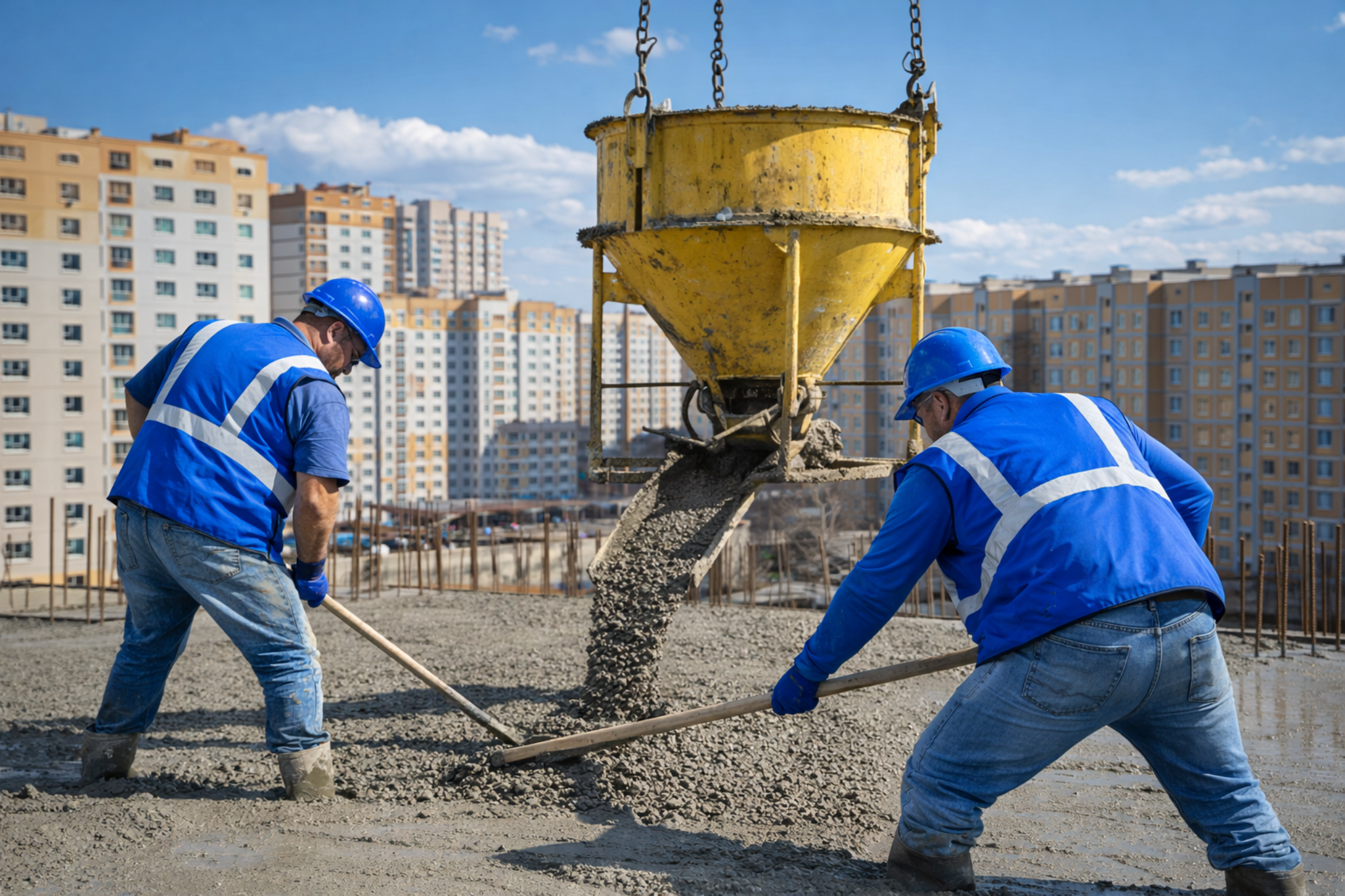
Choosing a finish is a functional decision, not just aesthetic
When clients ask for “what looks best,” I respond with three practical questions: Who uses this surface, how often, and what are the environmental exposures? An office lobby with daily foot traffic and rolling casters needs a different solution than a residential lanai hosting occasional barbecues. Budget matters, but so does lifecycle cost. A cheaper initial finish may need refinishing in three years; a better finish upfront can last a decade with minimal care.
A real-world example: a Tampa medical office renovated with polished concrete. The owner wanted an antimicrobial, easy-to-clean surface that would also handle rolling equipment. After analyzing the slab for movement, All Phase Concrete selected a dense polish with a topical sealer in high-wear zones. The result: lower cleaning time, no wax buildup, and fewer visual defects after two years than neighboring offices that used vinyl tile.
Sealers and protection strategies
Concrete without protection absorbs. In Tampa, sunscreen, oil, and salt are constant threats. Sealers fall into two broad categories: topical and penetrating. Topical sealers form a film on the surface and offer excellent stain resistance and gloss control, but they wear and will need reapplication. Penetrating sealers react chemically to form a barrier below the surface, retaining natural texture while blocking water and chloride ingress. All Phase Concrete recommends penetrating silane or siloxane sealers for exterior work near saltwater, and topical urethane or polyaspartic systems inside where sheen and stain resistance are priorities.
Maintenance should be part of the specification. For example, a polyaspartic topcoat on a garage floor resists automotive fluids and heavy loads but may need recoat after five to seven years in heavy use. Penetrating sealers for exterior concrete can last three to five years depending on UV exposure and abrasion from sand.
Slip-resistance and safety considerations
Slip-resistance is often overlooked until an incident occurs. Florida building codes and local ordinances may require specific coefficient of friction values for certain occupancies. Even when not mandated, common-sense safety dictates treating wet areas like ramps, pool edges, or commercial kitchens differently than dry, interior corridors.
There are two main rows of choices: texture and surface treatment. Texture is built into the finish, such as broomed, exposed aggregate, or stamped with a nonskid additive. Surface treatments include non-slip sealers or topcoat additives that raise traction without altering the visual appearance significantly. All Phase Concrete matches traction strategies to use case rather than applying a one-size-fits-all solution.
How All Phase Concrete handles color and matching
Color matching on concrete is more complex than matching a paint chip. Variations in cement, aggregate, water content, and curing can produce different hues on ostensibly identical mixes. For commercial projects that require color consistency across pours or phases, All Phase Concrete tests mockups in the same environmental conditions and with the same finishing crew that will execute the project. Mockups are the single most reliable way to avoid surprises.
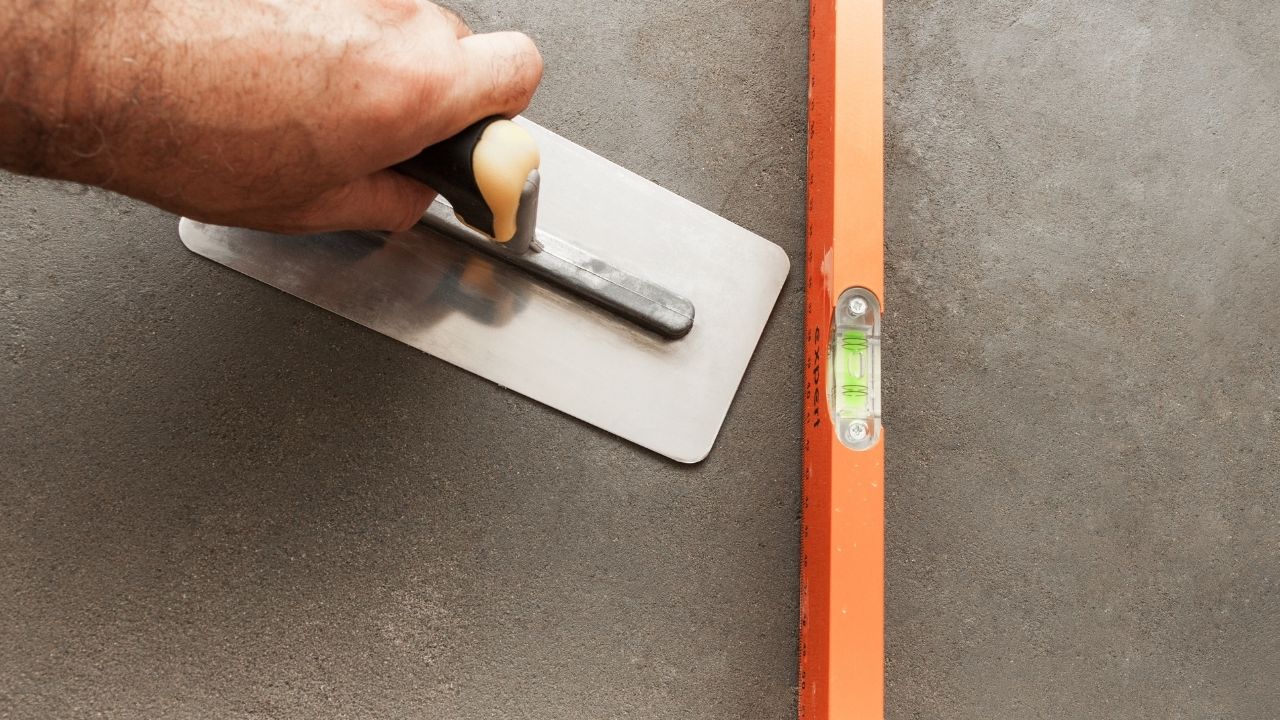
For smaller residential jobs, integral pigments can produce consistent color throughout the slab while stains and dyes create surface-level character. Color stability is affected by UV exposure, so exterior horizontal surfaces will show more change than interior floors. Where exact color fidelity is critical, consider porcelain tile or engineered finishes rather than relying solely on dyeing or staining concrete.
Durability stories: what has failed and why
From the field: a 10-year-old condominium pool deck near Tampa Bay had repeating delamination failures. The contractor had used an overlay system without accounting for the high chloride content in the substrate and poor drainage that allowed saltwater to wick up from below. The remedy involved removing the failed overlay, improving subsurface drainage, and applying a system designed for marine environments with a higher bond strength and penetrating corrosion inhibitors. The lesson: a finish is only as good as the substrate and the environmental controls around it.
Another case involved a retail showroom that wanted a high gloss polish. The cleaning staff used an aggressive alkali cleaner that stripped the topical sealer and dulled the finish. The solution was to switch to a neutral cleaner and apply a maintenance protocol with a low-speed burnisher. The trade-off was a small increase in cleaning cost for years of preserved visual appeal.
Project planning: timeline and budget expectations
Scheduling matters. Decorative and specialty finishes add time because of cure periods, mockups, and coordination with other trades. For example, a stamped overlay for a 2,000 square foot patio typically requires two to three days of surface prep, one day for placement and stamping, and several days of controlled curing before sealing. Polished floors require progressively longer grinding sequences and densifier curing time. Weather in Tampa can delay exterior work, and high humidity slows cures for some systems.
Budget should include mockups, sealing, and a maintenance allowance. As a rule of thumb, specialty finishes add roughly 20 to 60 percent over a basic broom finish, depending on complexity and materials. Polishing tends to be toward the higher end of that range, while a colored broom finish sits near the lower end. Exact numbers vary; get a line-item estimate Concrete Services Tampa FL All Phase concrete from your contractor that clearly separates material cost, surface preparation, labor, sealers, and any warranties.
A practical checklist before you sign a contract
- Verify that the contractor will perform a mockup in the same materials and conditions as the final work. Approve the mockup in writing.
- Confirm substrate condition and whether repairs or overlays are included in the price.
- Check for manufacturer recommendations on sealers and maintenance, and include those as part of the contract.
- Ask about expected cure times and project phasing to avoid scheduling conflicts with other trades.
- Get a warranty that specifies what is covered, for how long, and what triggers a remediation.
Installation quality matters more than the product claim
I have seen high-end coatings fail because installers rushed the schedule or skipped tack-free checks. Conversely, basic materials performed beyond expectations when the crew followed best practices: proper joint treatment, correct slump control, ambient temperature checks, and conservative sealer application. All Phase Concrete emphasizes crew training and keeps a steady team for repeatable results. In Tampa where weather and job conditions vary, that institutional knowledge reduces surprises.
When Concrete contractor in Tampa FL to consider an overlay rather than replacing slabs
Overlays make sense when the substrate is structurally sound but cosmetically distressed. If slab movement is active and uncontrolled, overlays will mirror that movement and crack. However, if cracks are static and joints are properly addressed, a well-bonded overlay can breathe new life into an old slab. Overlays also minimize demolition waste, lower disposal costs, and shorten project timelines. All Phase Concrete evaluates the slab condition with moisture testing and an inspection to recommend either repair, overlay, or full replacement.
Final thoughts on choosing All Phase Concrete in Tampa FL
Choosing a contractor is not only about price per square foot. It is about understanding subtleties: how a finish behaves under Tampa sun, how maintenance fits client capabilities, and how long-term costs compare across options. All Phase Concrete brings local experience, documented mockups, and trade-specific knowledge to each specialty finish. They balance aesthetics with functional expectations, and they write specifications that reflect realistic trade-offs.
If you are planning a project and want a finish that will hold up to Tampa’s demands, insist on mockups, clear maintenance plans, and an installer who will stand behind their work. The right finish will pay back in fewer repairs, lower cleaning costs, and a look that remains intentional years after installation. All Phase Concrete offers those choices, with practical recommendations tied to real-world experience.